Change of use for accommodation near Turin
by Santino Balistreri · · 5 minute read
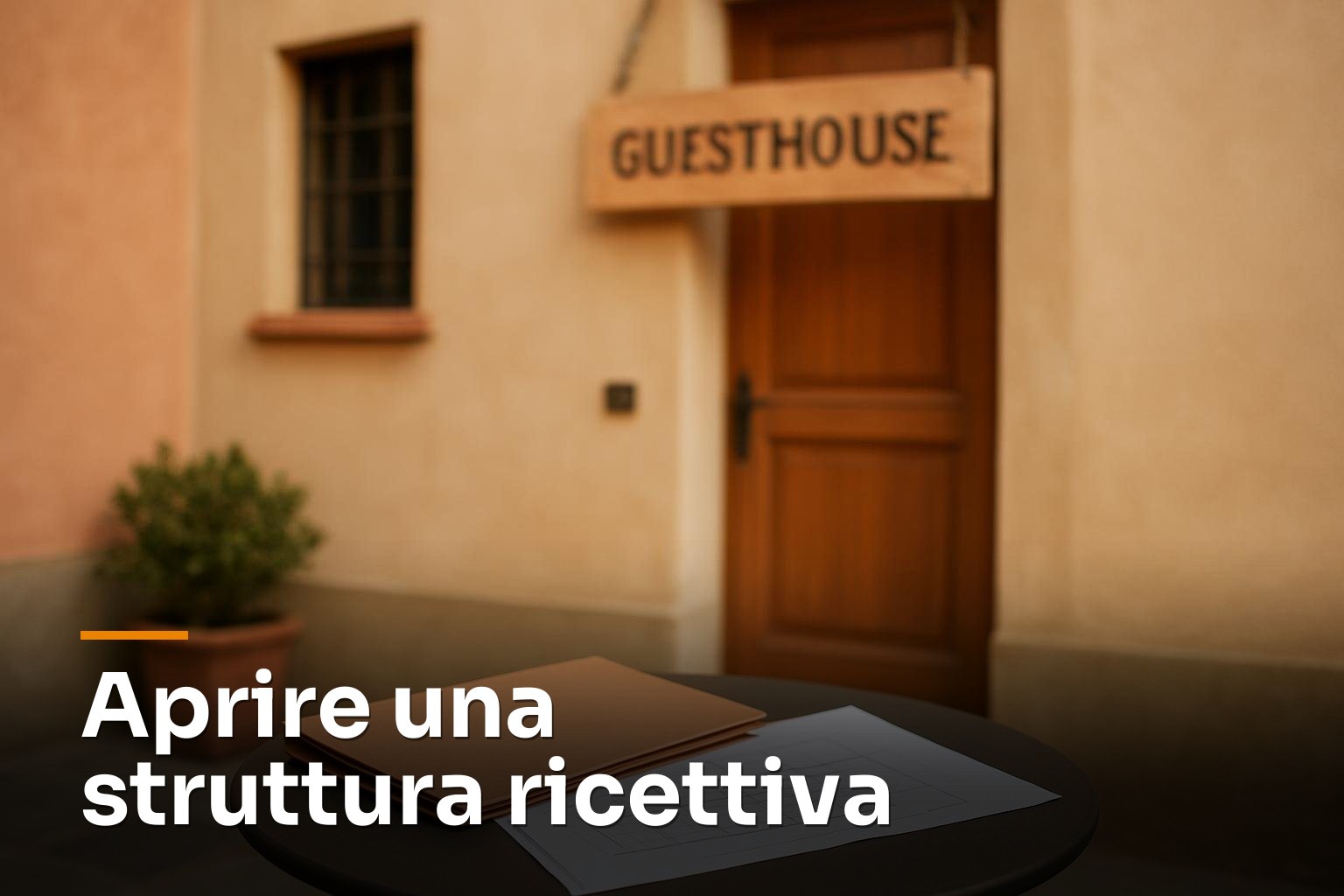
Changing the property use is often the first hurdle for those looking to convert an apartment or house near Turin into a hospitality facility (B&B, guest house, small guesthouse). This guide covers administrative steps, land registry checks, technical requirements, and an overview of costs and timelines to consider before investing.
In brief
- Permits: typically a clearance or change of use permit issued by the competent Municipality is required; local urban planning rules apply in Turin and its surrounding municipalities.
- Land registry: change of land registry use classification necessary (reclassification and subdivision if needed); land registry procedure with a qualified technician.
- Timelines: 2 to 9 months for authorisations and technical procedures, depending on complexity and local restrictions.
- Indicative costs: procedures and design €2,000–8,000, average adaptation works €10,000–80,000 (variable), planning charges and taxes to be assessed case by case.
What does change of use mean
The change of use It is the administrative procedure by which the land use function of a property is altered (for example, from residential to hospitality). In Turin and neighbouring municipalities, the process depends on the municipal urban regulations and the Master Plan: some areas may have restrictions that prohibit or limit the transformation.
Key administrative steps
- Preliminary check with the Municipality: contact the urban planning office of the Municipality where the property is located to inquire about feasibility and restrictions (Master Plan, permitted uses, historical or landscape constraints).
- Technical and design procedure: appoint a technician (architect/engineer) to prepare the documentation: technical report, plans, project of adaptation interventions and report on the intended use.
- Urban planning tools and authorisations: submit the application (SCIA or building permit depending on the intervention’s extent) to the Municipality. For pure change of use without works, SCIA is often used, but structural works might require a building permit.
- Health and safety authorisations: request occupancy certificate or update, check hygiene and fire safety requirements (based on capacity and facility type) with the Health Authority and Fire Brigade when required.
- Communications and registrations: notify start of activity and register with the regional or municipal hospitality activity register, if required by Piedmont regional regulations.
Land registry and tax checks
At the land registry level, a change of use on the land registry certificate (Docfa) is often necessary if the category changes: the technician submits the update to the Land Registry. This may affect cadastral income and consequent tax implications (IMU, income taxes). Also check commercial use restrictions imposed by condominium regulations if the property is in a condominium.
Most common technical requirements and adaptations
In Turin and its surroundings, the most common works for conversion to hospitality include: upgrading electrical and plumbing systems, creation of compliant sanitary facilities, adaptations for accessibility (if required), sound and thermal insulation, and fire safety adaptations for facilities with multiple rooms or guests. Energy certification may be required for updated occupancy certificates.
Average timeframes to consider
Timelines vary greatly: a simple SCIA without works can be completed in a few weeks, but obtaining all clearances, system upgrades and updated occupancy certification typically takes 2–9 months. If the property is protected (historical building or restricted area), the process can take significantly longer due to landscape authorisations and preservation requirements.
Indicative costs
Expected expenses include: technician fees for design and procedures (€2,000–8,000), variable municipal charges and administrative fees, land registry update (a few hundred euros plus fees), adaptation works (from €10,000 for minor works up to €80,000 or more for complete renovations) and possible safety and fire prevention procedures. Additional taxes and fiscal changes related to the new use apply.
Regional and local regulatory aspects
Regulations governing hospitality activities have regional components (rules on classification and registers) and municipal components (land uses, building regulations). In the Turin area, it is advisable to check both the Municipal Building Regulation and the Piedmont Region provisions for minimum hospitality facility requirements.
Practical tips for investing near Turin
- Carry out a preliminary urban planning check with a technician before purchasing: save time and costs by avoiding properties that cannot be converted.
- Estimate the total budget including procedures, design and works and set aside a 10–20% contingency for unforeseen expenses.
- Assess the location: proximity to stations, bypass roads, industrial hubs or tourist centres near Turin significantly impacts returns.
- Check the condominium regulations: some rules prohibit hosting activities within private units.
- Prepare the energy documentation and consider efficiency improvements to reduce management costs and increase appeal.
For more information on cadastral aspects, you can read our guide on urban and cadastral checks in Turin, and for the energy section refer to the guide to energy appraisal.
Frequently asked questions
Is a SCIA always required for the change of use?
Not always: SCIA is often used when no significant structural interventions are planned; if major works are needed or the intervention changes the volume, a building permit might be required. The final verification is up to the technician and the municipal planning office.
What does the cadastral change cost?
The cadastral update procedure (Docfa) has low costs for taxes and fees but requires a technician's invoice. The total amount depends on the case: typically several hundred euros plus the professional’s fee.
Can I convert an apartment into a B&B in a condominium in Turin?
It depends: besides municipal permits, the condominium regulations must be checked as they can prohibit or limit the activity. Also, hygiene and safety requirements for the facility must be met.
Do I need to upgrade the fire system?
The obligation depends on the capacity and type of facility: for few rooms, passive measures and fire extinguishers are often sufficient, whereas larger structures may require escape routes, fire compartments and specific systems as indicated by the Fire Brigade.
Final practical advice: start with a planning check and detailed cost estimate with a technician, assess profitability based on location (e.g. north-east belt of Turin near connections) and plan works to obtain updated occupancy certification. For personalised advice on project feasibility in the Turin belt contact us: we will evaluate the property and necessary steps together without obligation.
Do you have questions on this topic or about your property?
Talk to us