How the metro system changes the real estate market in Turin
by Santino Balistreri · · 5 minute read
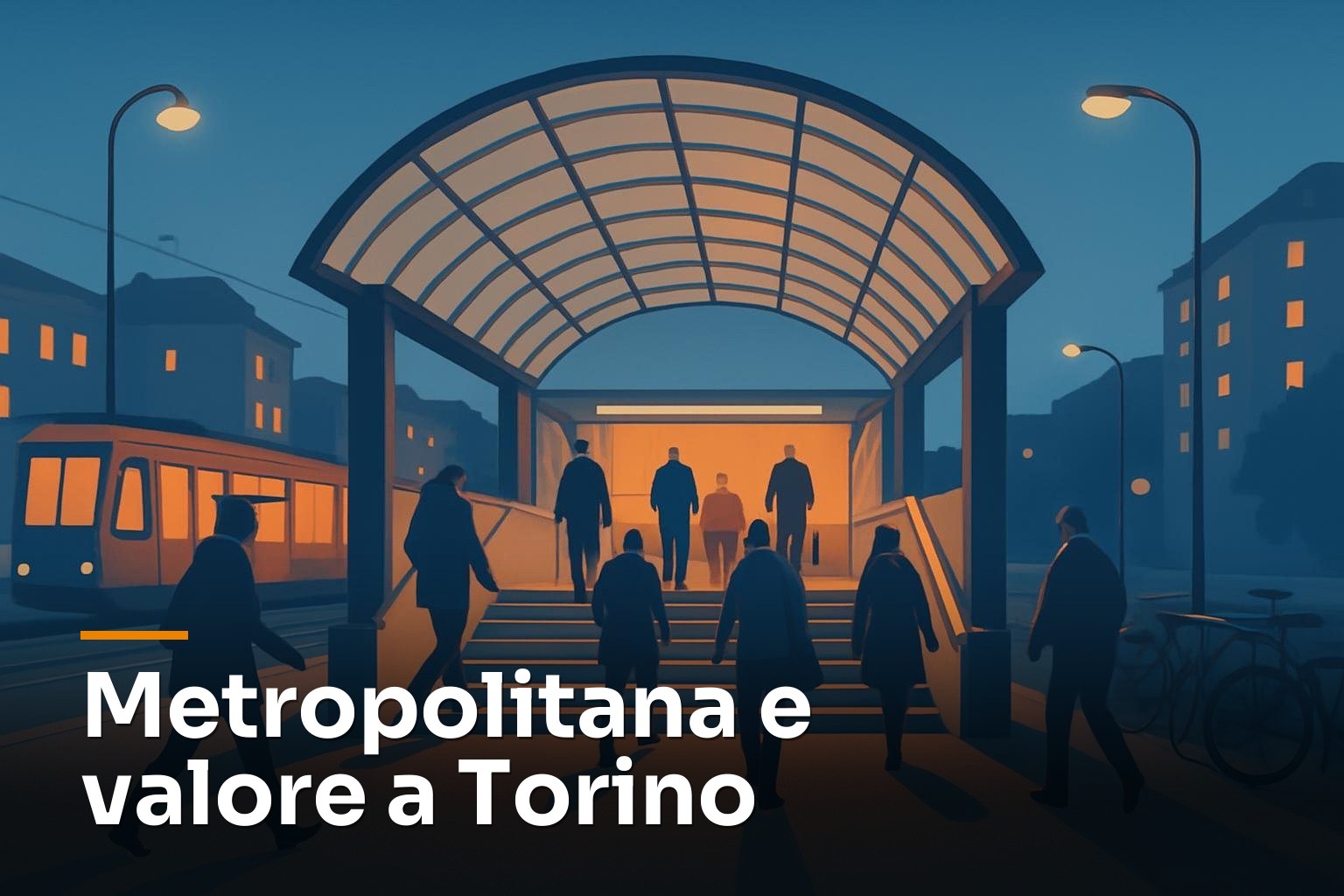
In Turin, the presence of the metro is one of the factors that most influences real estate demand: house hunters consider not only square metres and apartment condition, but also the time to reach work, services and leisure. In many neighbourhoods, proximity to a station affects the speed of sale or rental and, in some cases, the asking price.
In brief
- The metro in Turin increases the appeal of a property, especially for those working in the city and students.
- In central and semi-central districts, proximity to the metro can lead to greater liquidity; the price premium is variable and should be assessed case by case.
- Sellers or landlords must consider noise, crowding and quality of connection: the station is not always a clear advantage.
- When investing, evaluate the demand/supply mix in the neighbourhood (e.g. City Centre, San Salvario, Crocetta, Mirafiori) and the actual walking distance to the station.
What changes for the buyer
Buying near the metro in Turin means reducing daily travel times: for many families and professionals, this is a priority criterion. Practically, proximity to a station makes a property more attractive because it improves access to work, university, hospitals and shopping areas. However, the choice must be weighed: in central neighbourhoods like City Centre or Crocetta, demand is already high and the metro may be one of many factors justifying a high price; in transforming areas like Mirafiori or parts of Barriera di Milano, the metro can accelerate appreciation but calls for a view on investment sustainability.
How the rental market changes
Young tenants, professionals and students prefer well-connected apartments: near the metro, rental turnover is often faster and more stable rents can be achieved. For short-term lets or business travellers, advertising walking distance to the station is an effective marketing lever. Those renting in Turin in 2026 and beyond must also consider competition from alternatives like sharing services and tram lines: the metro remains a plus but does not remove the need for proper maintenance, energy certification and transparent contracts (essential checks).
Effect on price and liquidity
Properties near a station tend to sell faster: demand is broader, covering those buying for themselves and those investing to rent out. The price 'premium' is not fixed: it depends on property condition, station quality (access, security, services), actual walking distance and availability of neighbourhood amenities. In Turin, established districts such as the Historic Centre or Crocetta show price stability; in growing areas, the metro can boost investor interest. To estimate a property's real value it is useful to compare similar properties at different distances from the station and consider possible renovation costs (how to estimate the real value).
Pros and cons for sellers and owners
- Pros: increased listing visibility, shorter sale times, potential for higher rents.
- Cons: proximity to infrastructure may cause noise, increased pedestrian traffic, or require investment in soundproofing and security.
To sell or rent a property near the metro, highlight accessibility in photos and description, but also be transparent about any downsides, such as pedestrian traffic or noise. Small home staging interventions and good energy certification help maintain value.
Neighbourhood-by-neighbourhood analysis in Turin
In the City Centre, the metro consolidates the already high price due to location; in San Salvario and Vanchiglia, proximity to stops increases interest from young professionals and students, but the daytime and evening context must be assessed. In more peripheral or industrial areas, the metro can be the factor that makes the neighbourhood attractive for the first time, favouring commercial initiatives and services. Each line and station has different characteristics: some attract commuters and workers, others promote nightlife or access to shopping centres and university areas.
Practical advice for buyers, sellers or renters
- Measure the actual walking distance to the station: 5-10 minutes is perceived differently from 15-20 minutes.
- Check exposure and noise: visit the property at different times of day and week.
- Assess the services around the station: shops, pharmacies, schools and public green spaces increase the overall value.
- For investments, consider the occupancy rate of rentals in the area and the quality of necessary renovations.
- Negotiate the price taking into account any mitigation costs (soundproofing, windows, security).
Frequently asked questions
Does the underground always increase the property's value?
Not always: proximity to a station is generally an advantage for accessibility and liquidity, but the final value depends on the property's condition, the neighbourhood, noise and the quality of services. It's advisable to make precise comparisons with similar properties at varying distances from the station.
How important is the distance from the station for rentals in Turin?
Very: for many categories of tenants a short walk to the underground is a priority. However, other factors like price, apartment condition and proximity to services influence the choice.
Is it better to buy near the underground for investment?
It can be, as it increases rental demand and liquidity. Before deciding, however, evaluate the supply and demand balance in the neighbourhood, renovation costs and the likelihood of rental price growth.
How should I present a listing if the property is near a station?
Highlight the walking distance to the station, connection times to key points, and show photos emphasising access convenience; also mention any measures taken to limit noise and ensure security.
In conclusion: the underground in Turin can enhance appeal, speed of sale and rental demand, but its real value depends on the context. Before buying or selling, assess the actual distance, neighbourhood services and adaptation costs. If you want targeted advice on your property's valuation or a comparative estimate for your area in Turin, feel free to contact us for neutral and practical consultancy.
Do you have questions on this topic or about your property?
Talk to us