Heating and comfort: choosing the most efficient solution for an apartment in Turin
by Santino Balistreri · · updated on · 5 minute read
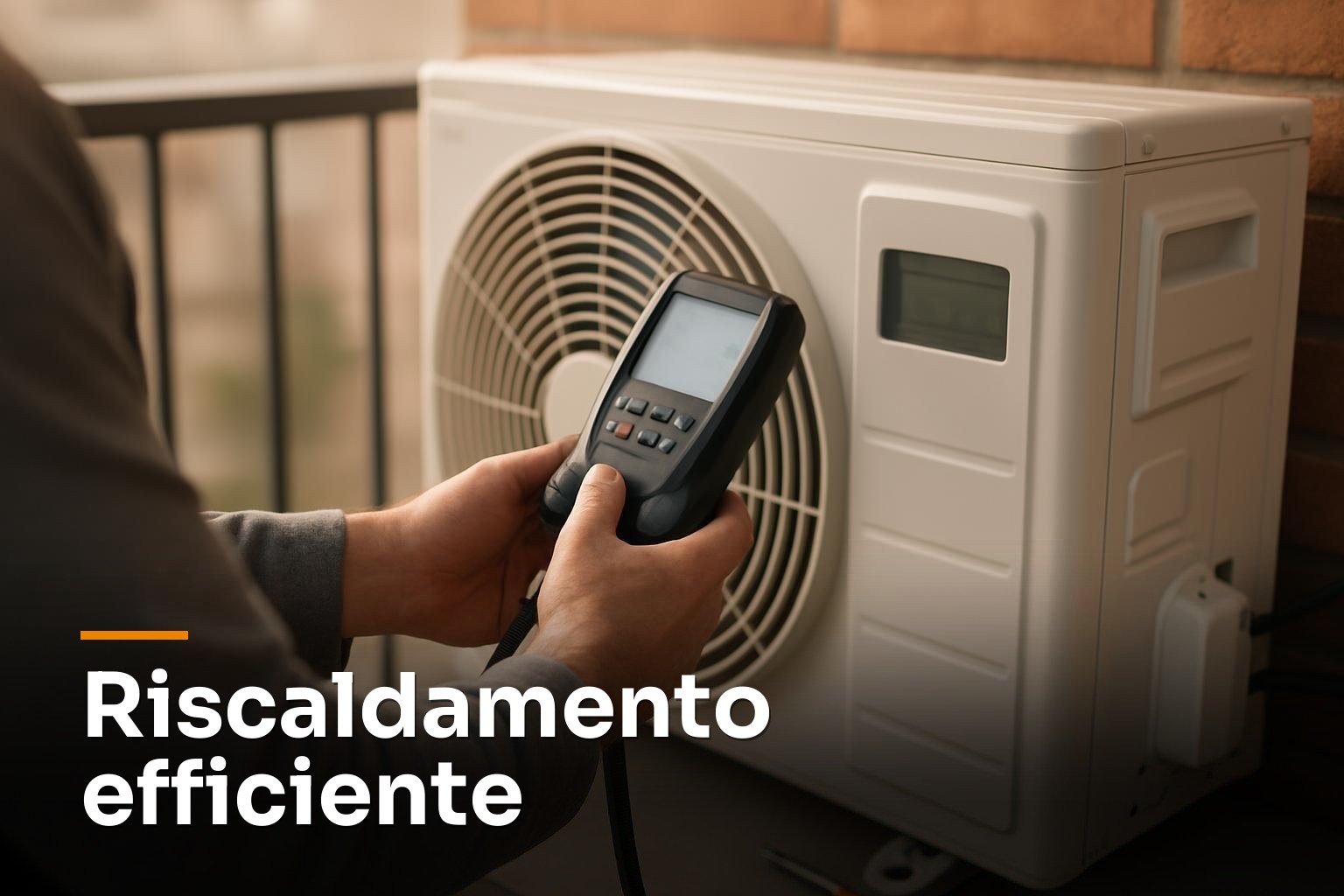
In Turin, choosing an efficient heating solution for an apartment means balancing comfort, utility costs, space constraints, and access to tax deductions. The ideal choice depends on the building type (historic condominium or recent block), availability of natural gas, outdoor space for external units, and the apartment's insulation.
In brief
- Heat pump: excellent electrical efficiency, requires insulation check and space for an external unit.
- Condensing boiler: practical solution if natural gas is available, installation costs contained, compatible with thermostatic valves.
- Hybrid systems: combine heat pump and boiler, reduce seasonal consumption and help overcome winter challenges.
- Thermostatic valves and metering: improve control and may be required in buildings with central heating; check condominium regulations and incentives.
How to assess efficiency for your apartment in Turin
Assessment starts from three concrete elements: the building envelope (walls, fixtures and insulation if present), the heat distribution system (radiators, underfloor heating, fan coils) and the available energy source (natural gas, electricity, district heating). In Turin, many historic buildings have less insulated walls and traditional communal systems: in such cases the first efficient move is improving window insulation and applying thermostatic valves before replacing the entire heating system.
Heat pumps: practical advantages and limitations
Air-to-water heat pumps are currently the most cited technology for efficiency: they produce more heat energy per kWh of electricity consumed. In Turin they are increasingly common but work best with well-insulated apartments and low-temperature systems (underfloor heating or large radiators). Before proceeding, check the feasibility of installing the external unit (balcony or courtyard space, condominium rules and noise regulations). Also consider electricity costs and the possibility to integrate photovoltaics to improve economic sustainability.
Condensing boilers: still a sensible choice
For many Turin apartments connected to natural gas, condensing boilers remain an effective and less invasive solution for installation. They offer good seasonal efficiency, lower replacement costs compared to heat pumps and immediate compatibility with existing radiators. This is viable when insulation does not allow for low-temperature systems or when external space is limited.
Hybrid systems: balance between electric and gas
Hybrid systems combine heat pumps and condensing boilers, automatically selecting the most efficient source based on external temperature and energy tariffs. They are ideal for those who want the security of a boiler during winter peaks, but seek savings and emission reductions. In Turin, where winters can be harsh, a well-sized hybrid reduces integration risks and may qualify for efficiency incentives.
Thermostatic valves and metering: control and savings in condominiums
In condominiums with central heating, installing thermostatic valves and metering systems allows residents to pay according to actual consumption and adjust the temperature room by room. This is often less expensive than a new system and can reduce waste. However, it requires approval by the condominium assembly and the choice of certified devices.
Insulation, fixtures and low-cost improvements
Often the best investment is on the building envelope: replacing fixtures, sealing thermal bridges, insulating ceilings or walls adjoining unheated spaces can reduce energy demand by 20-30% depending on the initial state. In Turin, districts with period buildings (e.g., Vanchiglia, Centro) can greatly benefit from small interventions that increase comfort and property value.
Incentives and tax deductions: what to consider
Before deciding, inform yourself about the national tax deductions for energy efficiency and any local grants or municipal calls in Turin. Replacing systems with more efficient solutions, installing heat pumps, and building envelope interventions may qualify for incentives that reduce the net cost. Keep the technical documentation and invoices: they are required to access the deductions and for any energy certification.
How the choice impacts the apartment's value
An apartment in Turin with an efficient system and good energy certification is more attractive on the market, especially for buyers sensitive to management costs. Interventions such as integrated heat pumps or condensing boilers with heat metering increase perceived value and can speed up the sale. If you are considering more extensive work, also consider the energy report to quantify improvements and estimate the financial return.
Practical steps to choose the right solution
- Have an energy diagnosis or at least check the insulation and existing systems.
- Consider alternatives with quotes including operating and maintenance costs, not just installation.
- Check condominium restrictions and municipal regulations on external units and external modifications.
- Consider incentives and coordinate the spending plan with any broader redevelopment (windows, insulation, system).
Also read
Frequently asked questions
Is it worth installing a heat pump in an apartment in Turin?
Yes, if the apartment is well insulated and you can place the external unit; the heat pump offers high efficiency and low operating costs if electricity is managed carefully. In case of poor insulation or lack of outdoor space, consider hybrid solutions or envelope improvements before installation.
Is a condensing boiler still a good choice?
Yes: for many homes connected to methane gas it remains a practical and less expensive installation solution with good efficiency. It is particularly recommended if it is not possible to switch to low temperatures or if the available investment is limited.
How much do thermostatic valves and heat metering affect savings?
Thermostatic valves improve control and can reduce waste; actual savings depend on usage and the building’s heat dispersion. These are economical interventions compared to system replacement and often pay off in a few years.
How to take advantage of energy efficiency deductions in Turin?
Document the work with invoices and technical documents, verify the requirements of various incentives and submit prior notification when necessary. For extensive work, coordinating with a technician helps maximise benefits.
Practical advice: start with at least a minimal energy check, request at least two quotes comparing installation and operating costs, and consider envelope improvements before replacing the system. If you want advice on a specific case in Turin or an assessment of intervention potential in your building, contact our agency for a free preliminary technical consultation.
Do you have questions on this topic or about your property?
Talk to us