Investing in tourist properties: lessons from the Hotel de la Poste in Cortina
by Santino Balistreri · · updated on · 4-minute read
Why Those Wanting to Invest in Tourist Properties Should Observe the Cortina Operation
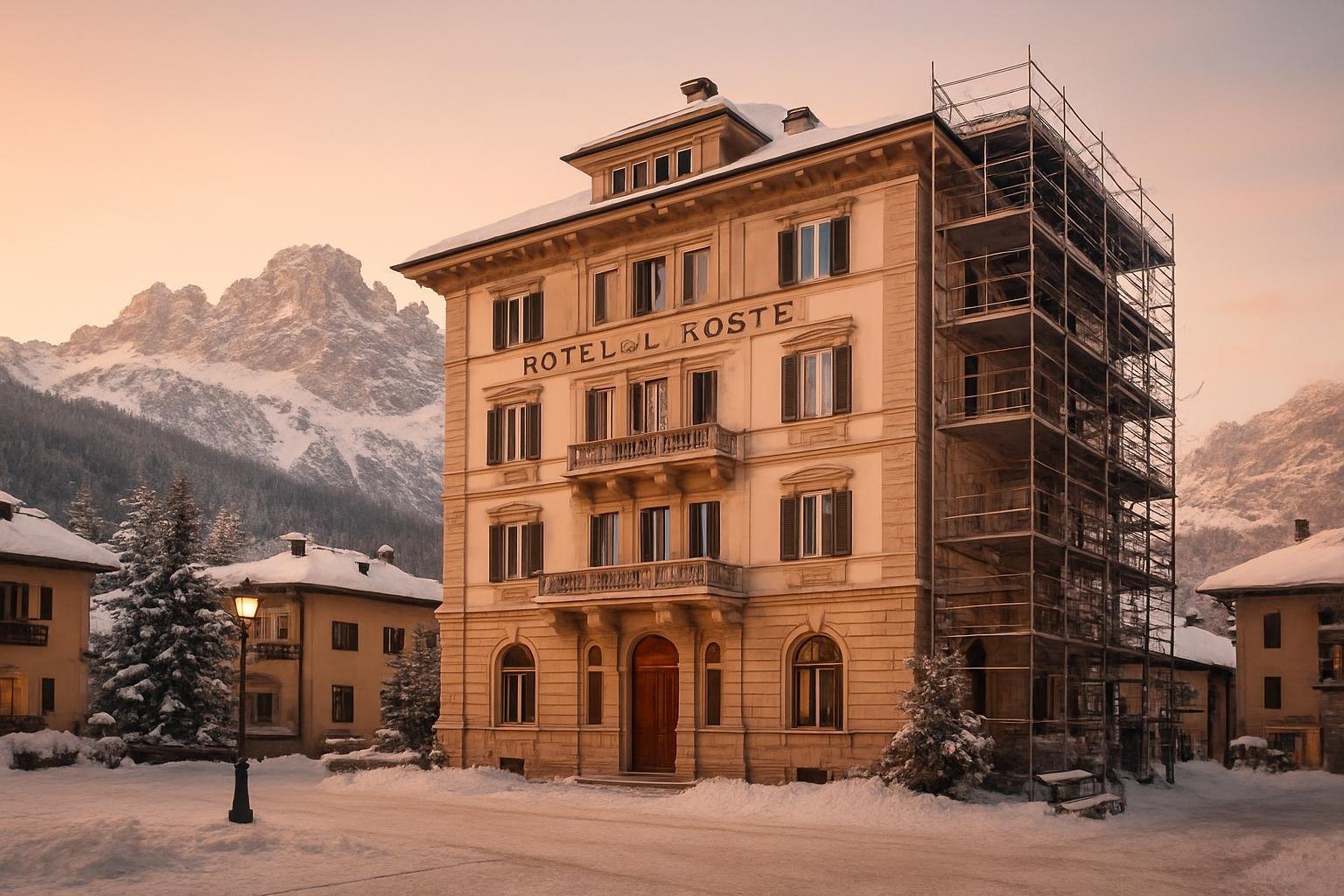
The project on the Hotel de la Poste in Cortina is an exemplary case for those deciding to invest in tourist properties. A historic property repositioned towards the high-end segment demonstrates how targeted strategies — renovation of spaces, reducing the number of rooms in favour of larger sizes, experiential services and brand care — can enhance an asset and create new income opportunities. These levers are also applicable to different contexts, such as mountain and lake destinations in Piedmont and the metropolitan area of Turin.
1. Restructuring the Property: Quality vs. Quantity
A key element of the project is the choice to move from many rooms to a smaller number but larger and higher quality. For a property investor this means assessing real demand: mass tourism or experiential/luxury tourism? In the province of Turin and Piedmont ski resorts, some locations show growing demand for more spacious accommodation intended for wealthy families or guests seeking extended stays. Reducing beds but increasing quality can mean higher average rates and a differentiated positioning from the traditional short-term rental market.
2. Services That Multiply Value: Dining, Spa, Events
Introducing high-level restaurants, spas and private event spaces creates multiple revenue streams beyond simply selling rooms: meals, wellness treatments, banquets, weddings and corporate events. Those operating in Piedmont should study the most profitable service mix according to seasonality: winter (skiing and wellness), summer (trekking, food and wine), or events linked to fairs and shows in Turin. Integrating services with local partners (chefs, wellness centres, guides) reduces risk and enhances appeal.
3. Enhancing History and Context: Storytelling and Identity
Restoring historic features such as an iconic bar or the façade is not only an aesthetic choice but a marketing lever. A hotel with a story to tell attracts attention and justifies higher prices. In Piedmont, many villas, chalets and farmhouses have historical roots which, properly restored and narrated, can become distinctive assets in the tourist market. Storytelling should be translated into experience: furnishings, menus, themed stay packages and consistent digital material.
4. Governance, Skills and Operational Continuity
The redevelopment project highlights the importance of having dedicated governance and technical skills in architecture and hotel management. For a local owner or investor this means considering reliable operational partners or managerial figures with hospitality experience. Ensuring staff and management continuity during transition phases reduces risk of losing clientele and maintains the property's operational value.
5. Urban Planning, Restrictions and Incentives
Before buying or renovating, it is necessary to check historic restrictions, limits on changing use and opportunities for incentives (for example linked to energy efficiency or building restoration). In the Piedmont context there are both protected historic centres and areas with fewer restrictions: each situation requires a different strategy. Additionally, assessing accessibility, parking and infrastructure is crucial to determine the property's potential.
6. Demand and Positioning: Knowing the Target Client
Repositioning means identifying a precise target: couples seeking luxury, families, corporate groups, event guests. Demand analysis — seasonality, geographic origin, average stay duration — guides choices on room layout, services and price. In the Turin area it is necessary to consider both urban tourism and nearby mountain and Lake Maggiore tourism, tailoring the offer to the most profitable niches.
How to Apply These Lessons in the Piedmont Tourist Market
- Assess whether it is better to renovate your property to increase quality and average rate rather than multiply accommodation units.
- Invest in scalable services (dining, spa, event rooms) that can generate revenue also from non-residents.
- Preserve and enhance historic or characteristic elements: they are marketing levers and can aid positioning.
- Check urban planning restrictions and incentive opportunities to maximise return on investment — also see opportunities linked to energy upgrading.
- Rely on managers with hospitality experience or local partners to minimise operational risk.
To explore how investments in the mountains and nearby areas to Turin are changing, you can read our article The mountain endures: how investment near Turin is changing and, if you are considering a renovation, this article might be useful: Renovating to increase property value.
Practical advicebefore investing, conduct due diligence on local demand and competition, obtain urban planning and tax advice, estimate revenue from ancillary services, and prepare a management plan for the first 24 months. Consider partnerships with local operators to create experience packages consistent with the destination.
If you want to compare the potential of a tourist property in Piedmont or assess the feasibility of a renovation project, contact us for technical and market advice.
Also read
Do you have questions on this topic or about your property?
Talk to us